
How to Remove Hard Water Stains and Soap Scum from a Bathtub (DIY vs Pro)
· By Walace Fernandes
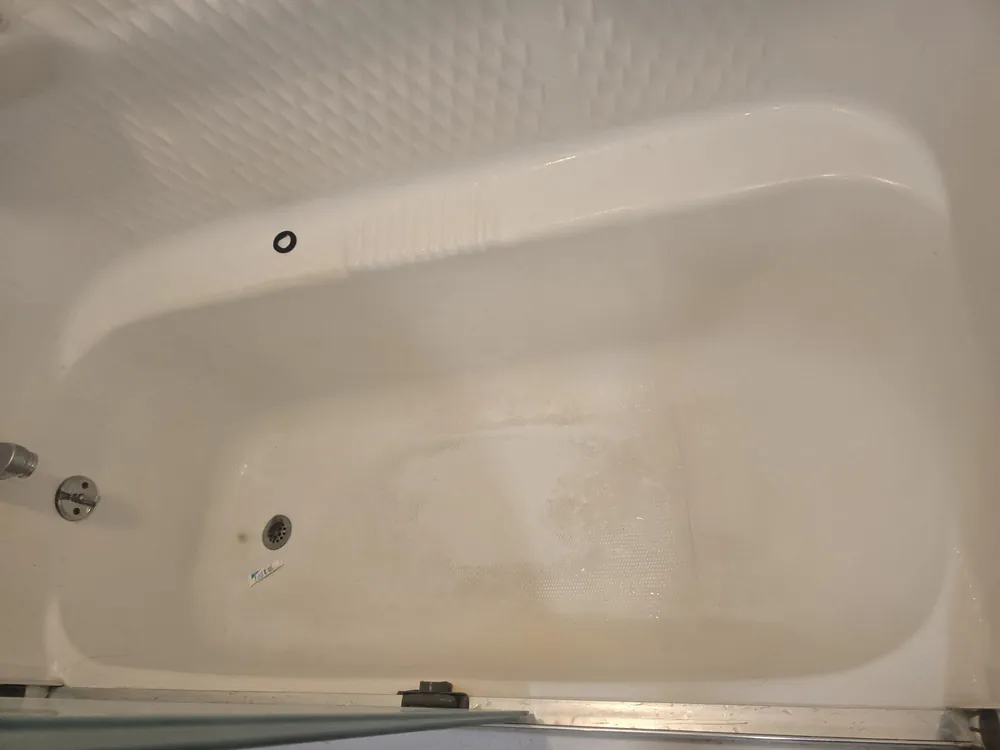
A stained bathtub is one of the most frustrating cleaning problems in any home. You scrub, rinse, and the tub still looks dull, gray or spotted. In most cases the culprit is a combination of two things: soap scum and hard water deposits. They look similar, but they form differently and respond to different treatments.
This guide explains what you are dealing with, how to remove it yourself with simple products, what to avoid so you do not damage the tub, and when it makes more sense to have a professional deep cleaning handle it.
Soap scum vs hard water stains: know the difference
Soap scum is a filmy residue left when soap, body oils and minerals in the water combine. It feels slightly waxy or rough, often looks gray or white, and tends to collect along the waterline, on tub walls and in corners.
Hard water stains are mineral deposits, mostly calcium and magnesium, left behind when water evaporates. They appear as chalky white spots, crusty rings around the drain and faucet, or orange and brown marks where iron is present in the water. Minerals are alkaline, so they respond best to mild acids.
Most stained tubs have both. That is why a single product often seems to work only halfway: you need something that cuts the oily film and something that dissolves the minerals.
Check your tub material first
Before you scrub anything, figure out what your tub is made of. Acrylic and fiberglass tubs are common and scratch easily, so they need soft tools and gentle products. Porcelain-enameled steel and cast iron tubs are tougher, but their glossy surface can still be etched by harsh acids or dulled by abrasive powders.
Natural stone surrounds, such as marble, are especially sensitive. Vinegar and other acids can etch them permanently. If your tub or surround is stone, skip the acidic methods below and use a cleaner labeled safe for stone.
DIY method for soap scum
For light to moderate soap scum, start with warm water and a good dish soap. Dish soap is designed to break down oils, which is a big part of what soap scum is. Wet the tub, apply the soap with a soft sponge or microfiber cloth, let it sit for a few minutes, then scrub in circles and rinse.
For tougher film, make a paste of baking soda and a little water. Spread it on the scummy areas, let it sit for 10 to 15 minutes, and scrub with a non-scratch sponge. Baking soda is a mild abrasive that lifts residue without scratching most surfaces. Rinse thoroughly so no gritty film is left behind.
DIY method for hard water stains
For mineral spots and rings on non-stone surfaces, a mix of equal parts white vinegar and warm water works well. Spray it on, let it sit for 15 to 30 minutes so the acid can soften the deposits, then scrub and rinse. For crusty buildup around the drain or faucet base, soak a paper towel in the solution and leave it pressed against the spot for a while before scrubbing.
Always rinse well after using vinegar, and never mix it with bleach or bleach-based cleaners. Combining acids and bleach releases harmful gas. Use one product, rinse it off completely, and only then try another.
Avoid steel wool, scouring pads and abrasive powders on acrylic, fiberglass or glossy enamel. They can leave fine scratches that actually make the tub stain faster in the future, because dirt and minerals settle into the scratches.
Keeping the tub clean after you remove the buildup
Once the tub is clean, prevention is easy. Rinse the tub after each use and wipe it down with a towel or squeegee a few times a week so minerals do not dry on the surface. Switching from bar soap to a body wash can also reduce soap scum for many households.
Hard water is common in many homes, so mineral spots may come back over time. A quick weekly wipe with a mild cleaner keeps them from building into thick deposits.
When to bring in a professional
DIY works well for light buildup. It gets harder when the film has been building for months or years, when the stains cover large areas, or when you have tried several methods and the tub still looks dull. At that point it is often more efficient to have it done as part of a professional deep cleaning.
A deep cleaning addresses the whole bathroom at once: the tub, shower walls, glass, grout lines, fixtures and floor. Professionals know how to match products and tools to each surface, which reduces the risk of scratching or etching. It is also worth being realistic: some marks, such as etched enamel or permanently discolored grout, may improve without disappearing completely.
Bathtubs, sinks and showers are some of the most common jobs for WVF Cleaning Services Company across Albany, Watervliet, Troy and nearby Capital Region towns. If your tub needs more than a weekend scrub, text (518) 720-2726 or use the form on the site with a photo of the tub, and Walace and his team will send you a quote.
Frequently asked questions
- What removes soap scum from a bathtub fastest?
- For most tubs, warm water and dish soap handle light scum, and a baking soda paste left for 10 to 15 minutes handles heavier film. Scrub with a non-scratch sponge and rinse well.
- Is vinegar safe on all bathtubs?
- No. Diluted vinegar is generally fine on acrylic, fiberglass and porcelain enamel when rinsed off well, but it can etch natural stone such as marble. Never mix vinegar with bleach.
- Why does my tub stain again so quickly?
- Minerals in the water dry on the surface after every bath or shower, and scratches from abrasive tools give buildup a place to settle. Wiping the tub dry a few times a week slows it down a lot.
- Can a professional deep cleaning remove all bathtub stains?
- A professional deep cleaning removes soap scum and most hard water buildup. Damage such as etched or worn enamel can look better but may not be fully reversible.
Related services
Want a real number for your space?
Text us what needs cleaning, the size of the space, and your town. We reply with a clear quote.